
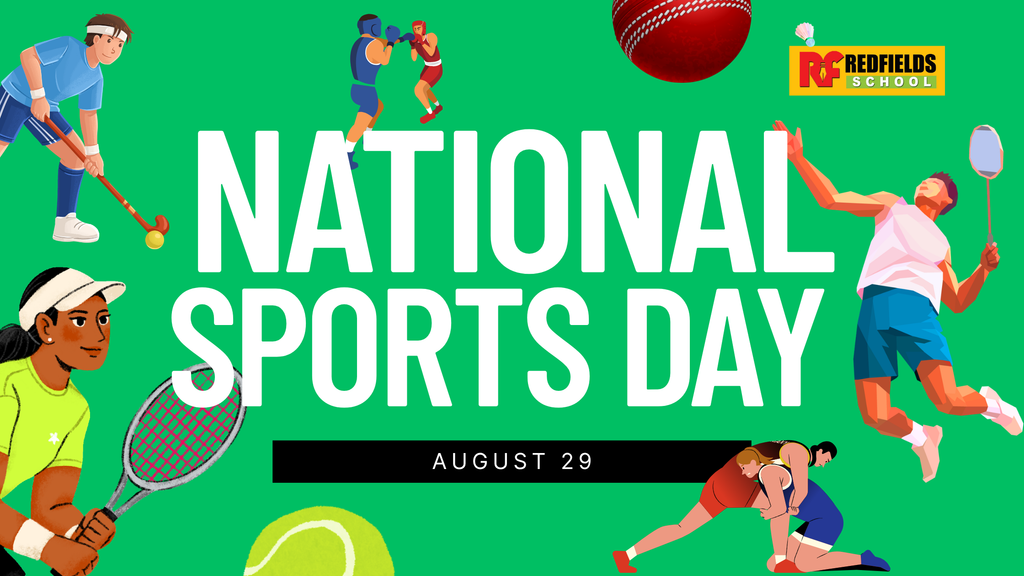
August 29 is celebrated as National Sports Day, honouring the great sportsman Major Dhyan Chand, “the Wizard of Hockey”. He won three Olympic gold medals for the country. His contribution to Indian sports is immense.
On this special day, let us talk about sports in general and Indian sports in particular.
Sports for Well-Being
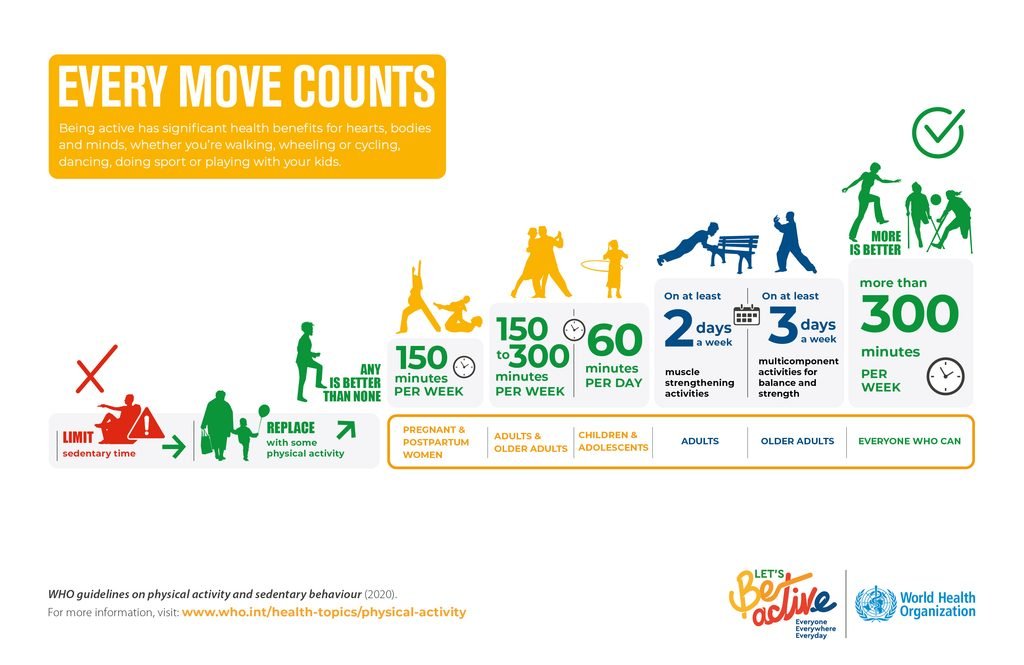
Scientific evidence proves a direct correlation between sports and overall well-being. Children who are introduced to sports at a young age grow into healthy adults. The specific benefits of sports for children are:
Physical Well-Being
- Strong Bones and Muscles: Kids who play sports regularly develop strong bones and muscles. This helps them cope with the physical pressures in adulthood.
- Solid Cardiovascular Health: Indians are genetically prone to diabetes, a lifestyle disease, and cardiovascular disease, both of which affect people in adulthood. Regular sports strengthen the cardiovascular system in kids, which protects them from these lifestyle diseases.
- Good Metabolism: Playing sports keeps the body’s metabolism functioning efficiently. It maintains appropriate body weight, reduces body fat, and boosts overall body performance.
Mental Well-Being
- Cognitive Development: Research suggests kids who play sports regularly have improved cognitive capacities. These kids perform executive functions better than non-sports-playing children. They have better working memory and control over their actions.
- Strong Emotional Health: Kids playing sports have better control over their emotions. They have fewer emotional and behavioural breakdowns. Also, they are better equipped to handle loss or failure than those who do not play sports.
The Indian Scenario
The benefits of sports far outweigh any drawbacks. Yet the Indian sports landscape is markedly different from that of other countries. Where academic performance is prioritised over sports, the results show the country performing weakly at major sporting events.
It is the Indian parenting mindset that is harming the children. Not playing sports at a young age is silently damaging health in adulthood. No wonder India is now the diabetes capital of the world. Only when parents see sports as an essential part of life can we see a change in India.
What About Sports in Schools?
The lack of parental support is glaring in India. But what about institutional support? Students spend anywhere between 6 and 7 hours in school. Unlike the schools in the developed world, where sports are part of the curriculum, Indian schools consider sports secondary. Moreover, sporting infrastructure is virtually nonexistent in most Indian schools.
Expecting even basic sports training for students in such an atmosphere in India is unreasonable. Only a few schools maintain proper sporting infrastructure. And among them, only a few are dedicatedly providing sports training.
Redfields School in Kavali is one such institution with a curriculum balancing both academics and sports. The expansive playground, dedicated PE teacher and supporting management allow children to develop their physical strength and sporting skills.
At Redfields School, we believe in mind-body development and follow scientific principles in child growth. We allow our students to utilise every opportunity available to build their physical strength. This, in turn, results in their mental well-being.
Mindshift is the Need of the Hour
To make India a great sporting nation, the need of the hour is a parental mindshift. Allowing children to explore sports no matter the consequences and taking that leap of faith are essential.
On the part of the government, developing sporting infrastructure and providing avenues to showcase talent is needed. Schools, where a sporting story begins, playgrounds and dedicated PE classes must be made mandatory.